How to Build Balanced Snacks That Keep You Going Between Meals
Why Between-Meal Snacking Deserves a Second Look
For many people, the hours between breakfast and lunch or lunch and dinner can feel like a stretch. Energy dips, focus fades, and the temptation to reach for something quick and sugary grows. The common advice is to avoid snacking altogether, but that ignores the reality that a well-chosen snack can actually support steady energy and better food choices later in the day. The trick is to think of a snack not as a random bite but as a small, deliberate meal that bridges a gap.
A balanced snack combines protein, fiber, and a modest amount of carbohydrates. Protein and fiber slow digestion, keeping blood sugar stable and hunger at bay. Carbohydrates provide the quick fuel your brain and muscles need. When these elements come together in the right proportions, a snack stops being a guilty pleasure and becomes a practical tool. For anyone who spends long hours at a desk, travels often, or simply wants to avoid the vending machine at 3 p.m., understanding how to put such a snack together is a skill worth learning.
What a Balanced Snack Actually Looks Like
A balanced snack is not complicated. Think of it as a miniature version of a good meal. You want a protein source, a fiber source, and a small carbohydrate portion. The protein could be Greek yogurt, a handful of almonds, or a slice of turkey. The fiber could come from an apple, a few carrot sticks, or a piece of whole-grain crispbread. The carbohydrate might be a small piece of fruit or a serving of whole grains. The total should be enough to take the edge off hunger without leaving you stuffed.
Portion control matters here. A snack is not a fourth meal. Aim for roughly 150 to 250 calories. If you eat too much, you risk feeling sluggish. Too little, and you will be hunting for more food within an hour. The balance also depends on what you have eaten earlier and what your next meal will be. A heavier breakfast might call for a lighter snack, while a light lunch might mean a slightly more substantial afternoon bite.
Making Snacking Work With a Busy Day
Convenience is the biggest hurdle to balanced snacking. When you are in the middle of a workday or on a road trip, stopping to assemble a snack is not always possible. This is where planning ahead and choosing portable options make all the difference. A snack that stays good without refrigeration, fits in a backpack or desk drawer, and still delivers protein and fiber is worth its weight in gold.

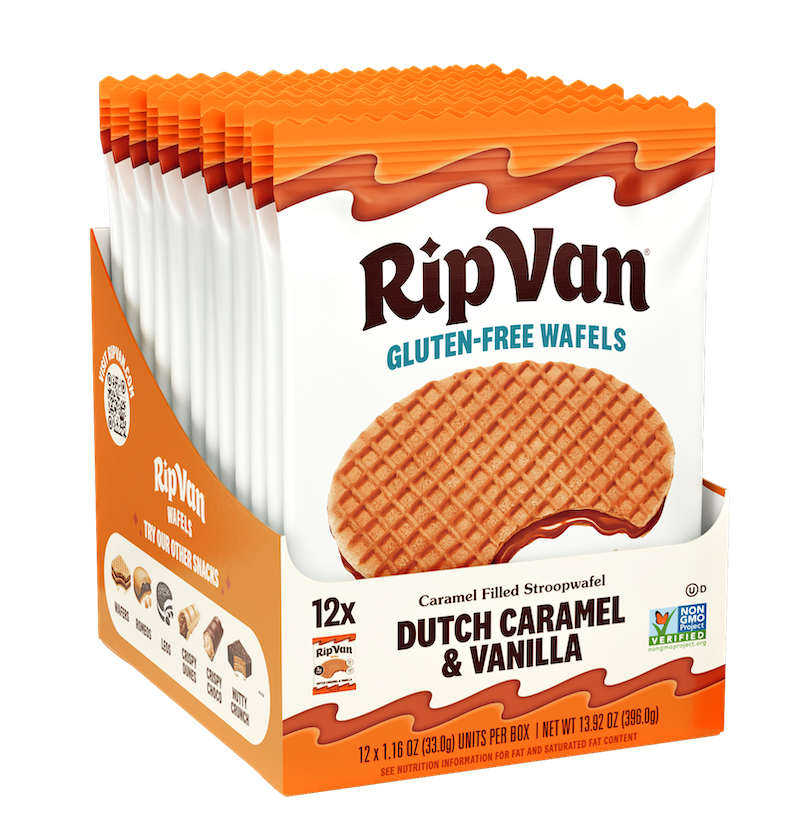
One example of a portable, shelf-stable snack that fits this description is a Dutch stroopwafel from ripvan.com. These filled wafer snacks have a chewy center and added fiber, which helps slow down the sugar release compared to a typical cookie. They are individually wrapped, so they tuck easily into a lunch bag or backpack. While not a complete snack on their own, they pair well with a protein source such as a small cheese stick or a handful of nuts. That combination gives you the quick energy from the carbohydrate and the staying power from the protein and fiber.
Practical Pairings for Your Go-Bag
If you want to build a balanced snack that travels well, consider these simple combos. Each one fits in a small container or wrapper and requires no refrigeration for several hours.
- A small apple and a single-serve packet of almond butter
- A handful of roasted chickpeas and a few dried apricots
- A cheese stick and a portion of whole-grain crackers
- A small packet of nuts and a piece of fruit
- A single stroopwafel and a mini bag of roasted edamame
These pairings work because they combine a quick carbohydrate with a slower-digesting protein or fat. They also satisfy different textures and flavors, which makes them more enjoyable than a single ingredient snack. Variety keeps you from getting bored and reaching for something less balanced.
How Shelf Stability and Packaging Help
Not every healthy snack is practical to carry. Fresh fruit bruises easily. Yogurt needs refrigeration. Hummus spoils after a few hours. That is why shelf-stable items with good packaging are valuable. A snack that stays intact in a backpack or a desk drawer for days or weeks means you can keep a small stash ready at all times. This removes the excuse of not having anything decent to eat.
Packaging also plays a role in portion control. Individually wrapped snacks help you stop at one serving instead of eating from a large bag. When you have a single stroopwafel or a small pack of nuts, you know exactly how much you are eating. That makes it easier to keep your snack within the right calorie range.
Shelf stability does not mean the snack has to be ultra-processed. Many whole foods travel well if stored correctly. Dried fruit, nuts, seeds, and certain whole-grain crackers can last for weeks in a cool, dry place. Even some cheeses, like hard Parmesan, can be carried for a few hours without refrigeration. The key is to think ahead and pack your snack in the morning.
Listening to Your Body’s Signals
Even the best-planned snack is not useful if you eat it when you are not truly hungry. Between-meal hunger is normal, but it is worth distinguishing between physical hunger and boredom or stress. A balanced snack works best when you actually need fuel. If you are not sure, drink a glass of water first. Thirst can mimic hunger. If you still feel hungry after ten minutes, go ahead and eat.
Timing also matters. Eating a snack too close to a meal can spoil your appetite. Eating too late in the afternoon can leave you not hungry for dinner and then hungry again later in the evening. A good rule of thumb is to snack about two to three hours after a meal and at least one hour before the next one. This keeps your energy steady without interfering with your regular eating pattern.
Common Pitfalls and How to Avoid Them
One common mistake is treating a snack as a reward rather than fuel. When you choose something because you crave it, not because you need it, the balance often goes out the window. That does not mean you should never have a treat. It just means that for everyday between-meal hunger, a balanced option serves you better.
Another pitfall is relying on a single type of snack too often. Even a good option can become monotonous. If you eat the same pairings every day, you may start to feel deprived and seek out something less balanced. Rotating your choices keeps things interesting and ensures you get a range of nutrients. A stroopwafel one day, a handful of nuts and dried mango the next, and a cheese stick with crackers the day after gives you variety without much effort.
Portion creep is another issue. A small bag of nuts can quickly become two bags when you are distracted at your desk. Pre-portioning your snacks at home, or buying single-serving packs, helps keep your intake in check. The same goes for larger packages of crackers or dried fruit. Divide them into small containers or bags right after you buy them.
Bringing It All Together
Balanced snacking does not require a complete overhaul of your pantry or hours of meal prep. It simply asks you to think about what you eat between meals the same way you think about your main meals. A little protein, some fiber, and a modest amount of carbohydrate will keep your energy steady and your hunger manageable. Portable, shelf-stable options make it possible to stick to this plan even on busy days or while traveling.
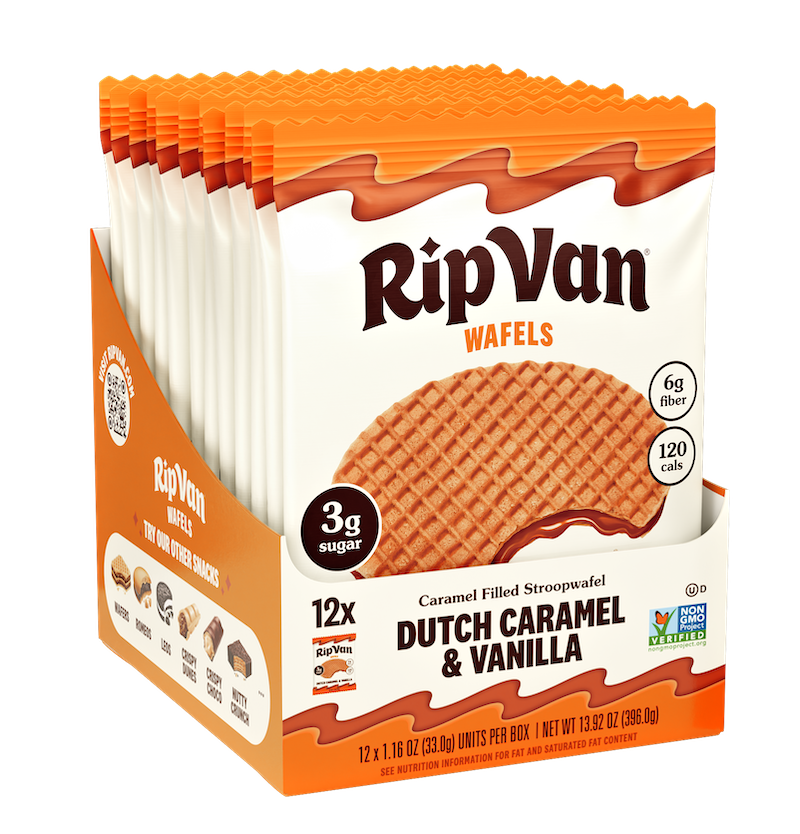
For anyone who often finds themselves rummaging through a desk drawer or a lunch bag looking for something to eat, having a few go-to items on hand changes the game. A product like the low-sugar Dutch stroopwafels from ripvan.com can serve as the carbohydrate component in a balanced pairing. They are not a magic bullet, but they are a practical, tasty building block. The real skill is learning to combine them with protein and fiber sources that suit your taste and your schedule.
Once you get into the habit, you will notice the difference. No more mid-afternoon slumps. No more reaching for whatever is in the break room. Just a steady supply of energy that carries you through the day without drama. That is what planning balanced snacks between meals can do for you.